Shockwave therapy uses acoustic pressure waves to create controlled micro-injury in a damaged tendon, which triggers the body's own repair response: new collagen, better blood flow, and gradual pain relief. The evidence is strongest for plantar fasciitis and tennis elbow. Most patients need only a few short sessions, and serious side effects are rare.
Table of Contents
- What is shockwave therapy and how does it work on a tendon?
- What happens during a shockwave therapy session?
- How well does shockwave therapy work for different tendon conditions?
- How many shockwave therapy sessions will you need before you feel better?
- Is shockwave therapy safe, and who should not have it?
- Is shockwave therapy right for your tendon pain?
- What should you expect after treatment — and when can you get back to activity?
- Key Takeaways
- References
What is shockwave therapy and how does it work on a tendon?
Extracorporeal shockwave therapy (ESWT) applies acoustic pressure waves through the skin to injured tissue. The waves create micro-injuries in the tendon that stimulate the body's healing system to produce new collagen and increase blood flow, according to Aspire Physiotherapy.
The repair chain is specific. ESWT upregulates expression of growth factors such as transforming growth factor-beta1 (TGF-β1) and insulin-like growth factor 1 (IGF-1), as reported by Boston Sports and Biologics. These growth factors drive the tendon's natural rebuilding process.
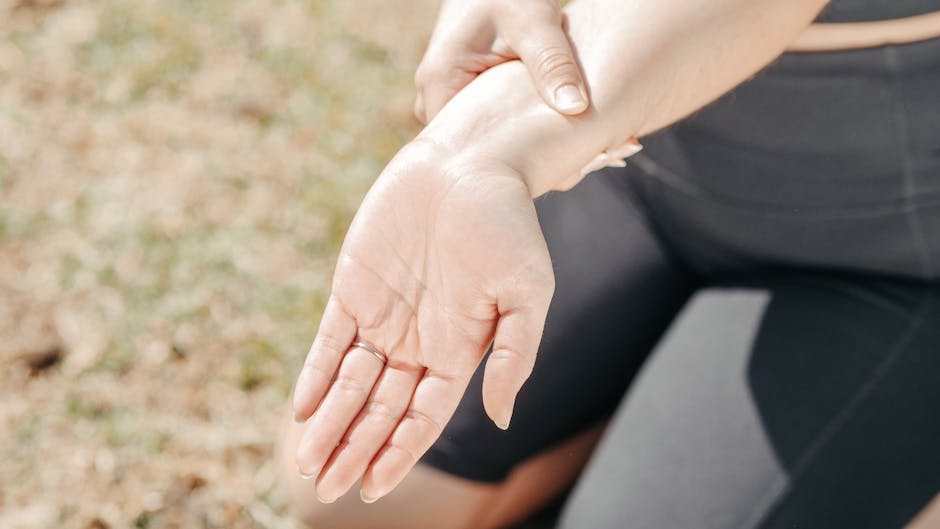
The waves reach tissue up to 6 cm deep, which is far beyond what massage or at-home percussive therapy devices can access, according to UT Southwestern Medical Center. That depth matters for tendons that sit below muscle and connective tissue.
ESWT began as lithotripsy, used since the 1980s to break apart kidney stones, before being adapted for musculoskeletal conditions, notes UT Southwestern Medical Center. The same acoustic energy that fragmented stones now helps tendons remodel and heal.
What happens during a shockwave therapy session?
A typical session starts with ultrasound gel applied to the skin over the painful tendon. The clinician positions the device and delivers roughly 2,000 pulses at a therapeutic pain level of about five out of 10, according to UT Southwestern Medical Center.
Each session lasts about 10 to 20 minutes, reports Boston Sports and Biologics. The machine uses compressed air to accelerate a projectile up to 62 mph within a tube, which generates the acoustic waves.

Treatment schedules usually run once a week or once every two weeks for an average of three to five sessions, according to Weill Cornell Medicine. The exact number depends on the condition and how the tendon responds.
Mild soreness or swelling afterwards is common and usually settles within a couple of days, notes Aspire Physiotherapy. Patients can typically return to normal activity between sessions.
How well does shockwave therapy work for different tendon conditions?
Plantar fasciitis has high-quality evidence showing significant improvement in pain and function in both the short and long term, according to Boston Sports and Biologics. Shockwave therapy is also FDA approved for plantar fasciopathy, notes Weill Cornell Medicine.
Tennis elbow is the other FDA-approved indication, and the supporting evidence is solid, reports Weill Cornell Medicine. Patients with chronic tennis elbow often respond well when other conservative options have stalled.
Achilles tendinopathy shows mixed evidence. Some studies indicate a small, inconclusive effect on pain and function, while moderate evidence suggests ESWT combined with eccentric loading may produce superior outcomes for midportion Achilles tendinopathy, according to Boston Sports and Biologics.
Patellar tendinopathy and non-calcific rotator cuff tendinopathy have limited evidence, with some studies showing negligible effects compared to placebo, reports Boston Sports and Biologics. Results vary by condition, which is why an individual assessment matters before treatment begins.
How many shockwave therapy sessions will you need before you feel better?
Most patients notice improvement between the third and fifth treatment, according to Aspire Physiotherapy. The tendon needs time to respond to the controlled micro-injury and begin rebuilding.
Many patients achieve complete healing and lasting symptom resolution with two or three treatments over six to 12 weeks, reports UT Southwestern Medical Center. Protocols vary by clinic and condition, so timelines are individual.
The micro-injury response takes time. Improvement is gradual, not instant, because new collagen must be produced and remodelled. Patients should not judge results after a single session.
Is shockwave therapy safe, and who should not have it?
Shockwave therapy has no serious or lasting negative side effects, with mild discomfort or swelling resolving within a couple of days, according to Aspire Physiotherapy. The treatment avoids surgery, anesthesia, and long recovery periods.
Contraindications include pregnancy, a fitted pacemaker, a tumour, open injuries or infection, a ruptured tendon, blood clotting disorders, and allergy to ultrasound gel, reports Aspire Physiotherapy and Boston Sports and Biologics.
The appeal for active patients is clear. Elite athletes can often keep training and competing through treatment, according to Weill Cornell Medicine. That is a meaningful advantage over options that require extended downtime.
Is shockwave therapy right for your tendon pain?
Persistent tendon pain deserves an individual assessment rather than self-diagnosis. The evidence for shockwave therapy is strong for some conditions and limited for others, so a clinician should confirm the diagnosis and treatment fit first.
Shockwave Therapy at Shockwave Therapy BC is a Lower Mainland option, priced at $80 to $130 per session. The clinic treats tendon-related conditions including tennis elbow, golfer's elbow, plantar fasciitis and heel spurs, Achilles tendinopathy, patellar tendonitis, shin splints, calcific rotator cuff tendinitis, and more.
When deciding, weigh the condition, the strength of the evidence, and the practical appeal of a non-invasive option. Shockwave therapy requires no surgery, no anesthesia, and no long recovery, which matters for active adults who want to return to their routines quickly.
What should you expect after treatment — and when can you get back to activity?
Expect temporary soreness after a session, then gradual improvement over the following weeks as collagen remodels. Most patients return to normal activity between sessions, according to UT Southwestern Medical Center.
High-level athletes often continue training and competing through treatment, notes Weill Cornell Medicine. That continuity is one reason shockwave therapy appeals to people who cannot afford long layoffs.
Combining shockwave therapy with loading exercises such as eccentric work may produce better outcomes for some conditions, particularly midportion Achilles tendinopathy, reports Boston Sports and Biologics. Follow the treating clinician's plan rather than judging results after a single session.
Key Takeaways
- Shockwave therapy uses acoustic pressure waves that create controlled micro-injury in a tendon, prompting the body to produce new collagen and increase blood flow.
- ESWT pressure waves penetrate tissue up to 6 cm, reaching deeper than massage or at-home percussive therapy devices.
- Most patients see long-term results after only three treatments, each lasting about 15 minutes.
- High-quality evidence supports shockwave therapy for chronic plantar fasciitis; evidence for Achilles, patellar, and non-calcific rotator cuff tendinopathy is more limited or mixed.
- Shockwave therapy is FDA approved for plantar fasciopathy and tennis elbow.
- Shockwave therapy has no serious or lasting side effects; mild discomfort or swelling after a session resolves within a couple of days.
- Shockwave Therapy BC offers treatment for tendon and soft tissue conditions in the Vancouver Lower Mainland, priced at $80 to $130 per session.
References
- Effectiveness and Safety of Shockwave Therapy in Tendinopathies — 2018-06
- How shockwave therapy helps heal sports and overuse injuries — 2022-08-04
- Shockwave Therapy to Relieve Tendonitis Pain
- Shockwave Therapy for Tendons 101: What Patients Should Know — 2025-03-21
- Shockwave Therapy for Tendon & Bone Injuries | Weill Cornell Medicine — 2025-11-18